Here's the thing about solo pleasure and anxiety
You know the feeling. You've carved out time alone, maybe you're thinking about using a lemon vibrator, and suddenly there's this weight in your chest. A small voice asking: "Is this okay? Am I weird for wanting this? What if someone finds out?" That anxiety isn't a sign you shouldn't be doing this. It's a signal that some old programming is running in the background.
I've worked with hundreds of people who experience this exact friction. The anxiety isn't about the act itself. It's about permission. About whether your pleasure, alone and for its own sake, is actually allowed.
Why anxiety shows up during solo time
Three layers are usually happening at once.
First, there's the cultural layer. You've absorbed decades of messaging that your sexuality exists for someone else. Your pleasure is a side effect of partnered sex, not a standalone experience worth protecting time for. Solo pleasure? That's selfish, needy, or desperate. None of those words were said to you directly, but they're in the water you've been swimming in your whole life.
Second, there's the relational layer. If you grew up in a family where bodies were private or shameful, or if you learned that wanting things was met with judgment, your nervous system learned early that desire isn't safe. That doesn't disappear when you become an adult. Your body still remembers.
Third, there's the practical layer. If you live with a partner or roommates, or if privacy feels scarce, there's genuine logistical anxiety layered on top. You might be listening for footsteps while trying to relax. That's not weakness. That's hypervigilance, and it's exhausting.
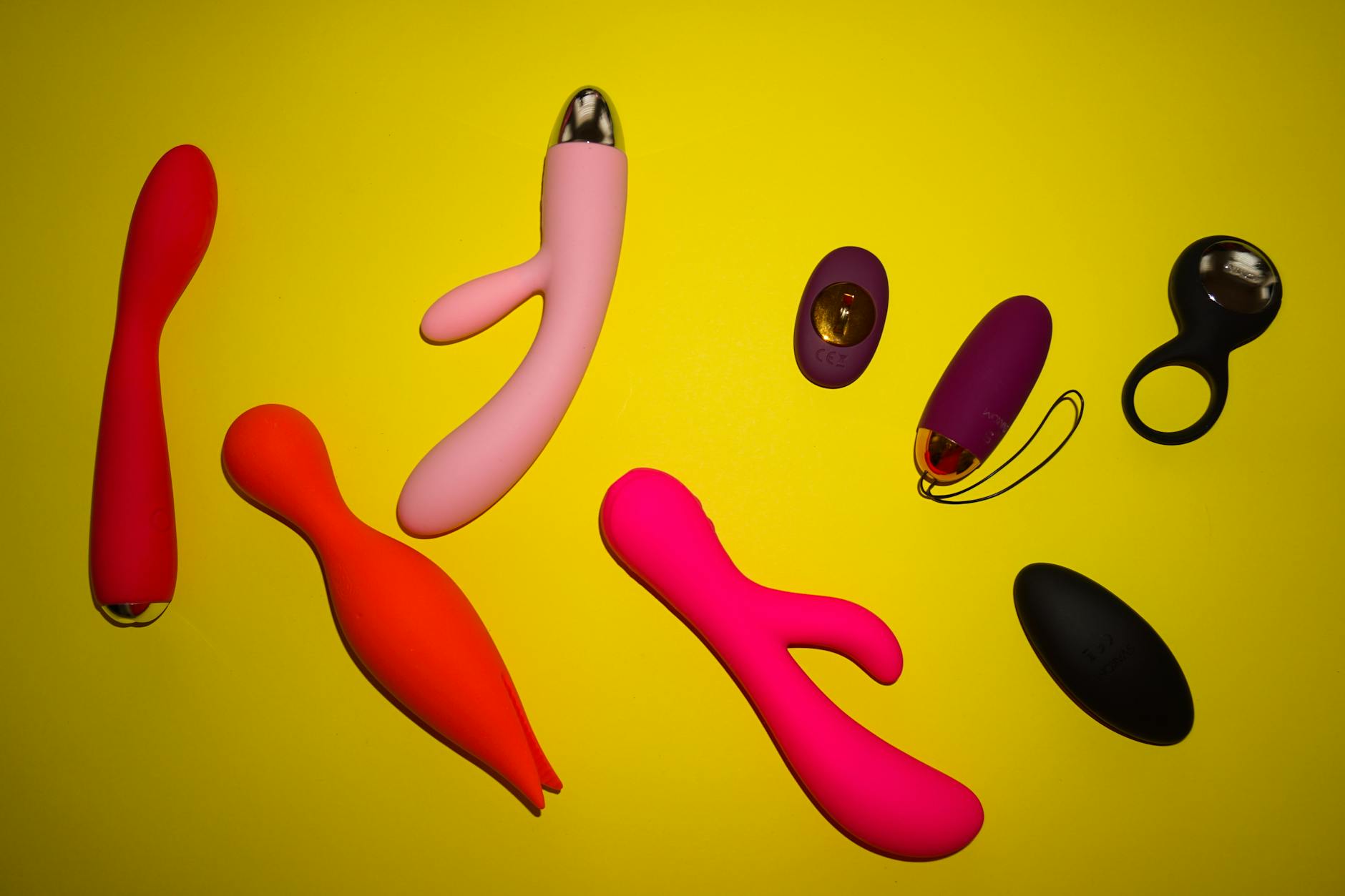
A lemon vibrator like the clitoral vibrators Mylem Clit Toy makes can help with some of this. They're discreet, quick enough to fit into small windows of time, and the sensation is distinct enough that you can get into flow faster. But first, the anxiety itself needs attention.
Naming what's actually happening
Here's what I ask my clients to do first: notice the specific flavor of your anxiety. Is it shame ("I'm doing something wrong")? Fear ("I'll get caught or judged")? Guilt ("I should be doing something more productive")? Or disconnection ("I don't feel like I deserve this")?
They sound similar but they need different responses. Shame responds to self-compassion and information. Fear responds to privacy and boundary-setting. Guilt responds to permission and time-management. Disconnection responds to slowness and grounding.
Take five minutes right now and write down which one resonates most. Not because you need to fix yourself, but because your nervous system responds better when you name the actual problem instead of just white-knuckling through the anxiety.
The permission ritual
This is small but it works. Before you use a lemon clitoral vibrator solo, say or write one of these out loud:
"My pleasure matters even when no one else is involved."
"I deserve time and attention focused only on how I feel."
"This is self-care, not selfishness."
Pick whichever one makes your chest loosen a little. Your brain will argue with it. That's normal. Repeat it anyway. You're literally rewiring the neural pathway that says solo pleasure is off-limits.
The practical setup that reduces anxiety
Your nervous system can't focus on pleasure if it's busy scanning for threats. So remove the threats first.
If you live with others, pick a specific time when you know you're alone and won't be interrupted. Lock the door. Put your phone on silent and face-down (not just buzzing on the nightstand). If you live in a shared space with thin walls, a white noise machine or playlist at a medium volume creates cover without making you more anxious about noise.
If privacy feels truly impossible right now, that's okay. You're not broken for needing it. Some people use the shower, the bathtub with the door locked, or even a car parked somewhere quiet. The lemon suction vibrators Mylem makes are waterproof, which opens up options.
The goal here is eliminating the part of your attention that's devoted to worry. Because that attention is bandwidth you could be using to actually feel good.
Starting slow with sensation
Anxiety makes us want to rush. We think if we get there fast enough, we'll avoid the awkward feelings. But with a lem vibrator, slower is what actually works.
Start by touching yourself without it. Just your hand, just presence. Notice where you want touch and what speed feels good. This isn't about reaching an outcome. It's about reconnecting with the fact that your body has preferences and they're worth listening to.
Then introduce the lemon vibrator on the lowest setting. Not over your most sensitive spot first. Start on the outer areas, the inner thighs, above the clitoris. Let your nervous system get used to the sensation and realize you're safe.
Most anxiety spikes happen at the moment of first touch because your brain is still deciding if this is allowed. Slow introduction helps your nervous system say "oh, this is just sensation" instead of "EMERGENCY."
What to do when anxiety peaks mid-session
It will sometimes. That's normal. Here's what I tell people:
Stop. Take three slow breaths. Notice one thing you can see, one you can touch, one you can hear. This is grounding, and it signals your nervous system that you're safe in the present moment.
Then decide: do I want to keep going, take a break, or stop for today? All three are fine. There's no requirement to push through anxiety to "earn" pleasure. If you stop and come back tomorrow, that's progress, not failure.
Often, people find that anxiety spikes early and then settles. But some days it won't settle, and that's information too. Maybe you're overstimulated. Maybe you need more privacy. Maybe today isn't the day. Your lemon clitoral vibrator will be there whenever you're ready.
Building a sustainable practice
Consistency is what actually rewires the anxiety. Not marathon sessions. Just regular, scheduled time where you remind your nervous system: "This is allowed. This is safe. I deserve this."
Some of my clients do five minutes every few days. Some do twenty minutes once a week. The frequency matters less than the consistency. You're building a new neural pathway that says "solo pleasure is normal and I'm allowed to have it."
Over time, the anxiety quiets. Not because you're ignoring it, but because you've repeatedly demonstrated to your nervous system that pleasure alone is safe and doesn't come with punishment.
There's a reason so many people use <a href="/blog/why-lemon-vibrators-work-differently-on-different-days">lemon vibrators to reclaim solo pleasure after trauma or shame</a>. The specific sensation of a lemon suction vibrator is distinct enough that it interrupts the anxiety loop. It gives your nervous system something concrete to focus on instead of the story.
When to get professional support
If the anxiety is severe enough that you can't relax even with all these strategies, or if it's connected to trauma or compulsion, a sex-positive therapist or somatic practitioner can help. This isn't a sign you're broken. It's a sign that your nervous system needs professional recalibration.
Look for someone trained in somatic experiencing or Gottman Method work. They'll help you understand what's driving the anxiety and give you tools to work with your body's defenses instead of against them.
In the meantime, be gentler with yourself than you think you need to be. Your body learned to protect you by creating this anxiety. It's doing its job. Now you're teaching it a new job: that you can have solo pleasure and be safe. That takes time and kindness, not willpower.
FAQ
Can anxiety around solo pleasure affect partnered sex too?
Absolutely. The same nervous system that's anxious about solo pleasure is usually anxious about your desires in general. You might notice you minimize what you want, go along with your partner's preferences, or have trouble saying what actually feels good. Working with solo pleasure anxiety often helps partnered pleasure too, because you're essentially giving yourself permission to have preferences at all.
Is it normal to feel guilty even when I know solo pleasure is healthy?
Completely normal. Guilt is one of the last things to leave, even when your brain knows the facts. You can know intellectually that masturbation is healthy and normal while still feeling guilty doing it. That's not hypocrisy. That's just how neural pathways work. They update slower than your conscious mind. Keep going anyway. The guilt will follow.
How do I explain to a partner why I need solo time without making them feel rejected?
Frame it as self-care that has nothing to do with them. "I need some time alone to check in with my own body" is completely different from "I don't want you." A secure partner will understand that your solo practice actually makes partnered sex better, because you know yourself more clearly. If your partner has trouble with this, that might be worth exploring separately. Your pleasure alone doesn't threaten anyone.
What if I feel disconnected from pleasure even with a lemon vibrator?
That's usually a sign your nervous system needs more time to settle before sensation will register. Try grounding first. Spend five minutes on breathing and noticing your body before introducing the vibrator. Some people also find that switching settings or patterns helps, since a different sensation can interrupt the disconnection loop. If it persists, it might be worth talking to a therapist, especially if you're taking medications that affect arousal.
Can I use a lemon clitoral vibrator if I'm in a relationship and feeling anxious?
Yes, absolutely. Solo pleasure and partnered pleasure are different experiences. You might use a lem vibrator alone to reconnect with your own sensation, and that actually strengthens partnered sex because you know what you like. The anxiety is often worse when solo time feels stolen or guilty. Making it intentional and scheduled helps your nervous system relax into it.
How long does it take for the anxiety to go away?
There's no standard timeline. Some people feel a shift in a few weeks of consistent practice. Others take months. And for some, the anxiety doesn't disappear completely but becomes manageable enough that it doesn't block pleasure. That's still a win. You're not aiming for zero anxiety. You're aiming for "anxiety is present but I'm doing this anyway." That's what actual permission looks like.
The real point
Your anxiety around solo pleasure isn't telling you that you shouldn't have it. It's telling you that some old part of you is still defending against shame. A lemon vibrator can be a really useful tool for interrupting that pattern, but the deeper work is giving yourself explicit, repeated permission. Your pleasure alone is allowed. It's not selfish. It's not weird. It's normal, healthy, and worth protecting time for. Everything else follows from that.