Here's what nobody tells you about pleasure after 40
Your orgasms don't get worse after 40. They get different. And if you understand the difference, they often get better.
The clitoral tissue thins slightly as estrogen drops. Blood flow changes. The response curve flattens a bit. What this means in practice: the vibration intensity that worked at 32 might feel too aggressive at 44, or it might feel insufficient. The warm-up window lengthens. Sometimes you need more sustained stimulation; sometimes you need less friction and more targeted suction.
The good news is that lemon vibrators, especially models built around clitoral suction technology, were engineered for exactly this shift. They work with your changing body instead of against it.
Why clitoral sensitivity changes (the actual science)
Estrogen is a major player in clitoral tissue health. It keeps tissue thick, elastic, and well-vascularized. As estrogen declines in your 40s and beyond, clitoral tissue becomes thinner and more delicate. The nerve endings don't disappear, but the tissue supporting them changes.
This is not a problem. It's just information.
What it means: direct vibration can feel too intense on thinner tissue. But suction-based stimulation, which uses gentle pressure and rhythmic patterns instead of pure vibration, often feels better. A lemon clitoral vibrator uses air-pulse suction rather than mechanical vibration alone, which makes it gentler on the tissue while creating waves of stimulation that feel deeper and more resonant.
Your capacity for orgasm doesn't change. Your need for blood flow to the area doesn't change. The pathway doesn't change. Only the scaffolding around it shifts.
The warmup window got longer (and that's useful information)
At 25, you might be ready in 5 minutes. At 45, plan for 15 to 20 minutes of foreplay or solo exploration before you expect to peak.
This isn't failure. This is biology. And honestly, it's often an improvement because longer warmup time usually means more pleasure, not less. You're building arousal gradually instead of hitting peak intensity fast and hoping to sustain it.
Use those extra minutes. Start with lower patterns on your lemon vibrator. Patterns 1 and 2 on most clitoral suction devices are gentle entry points. Many women over 40 find that starting soft and building actually creates more intense orgasms than jumping straight to high intensity. The nervous system has time to dial in.
Pattern matters more than power
One of the biggest shifts I see in my clients over 40 is that they stop chasing raw power and start caring about rhythm and variation.
A lemon sucker like the Lem has multiple pulsing patterns. Some are steady waves; some are rapid pulses; some build and release. At 40+, you're often looking for pattern complexity over decibel count. A specific rhythm might hit better than constant intensity.
Spend time with each pattern. Notice which ones create the building sensation you're after, rather than just numbness. Your body might prefer pattern 3 on the Lem, or pattern 7, or alternating between two. There's no universal right answer. But most women discover that one or two specific patterns create their most reliable orgasms.
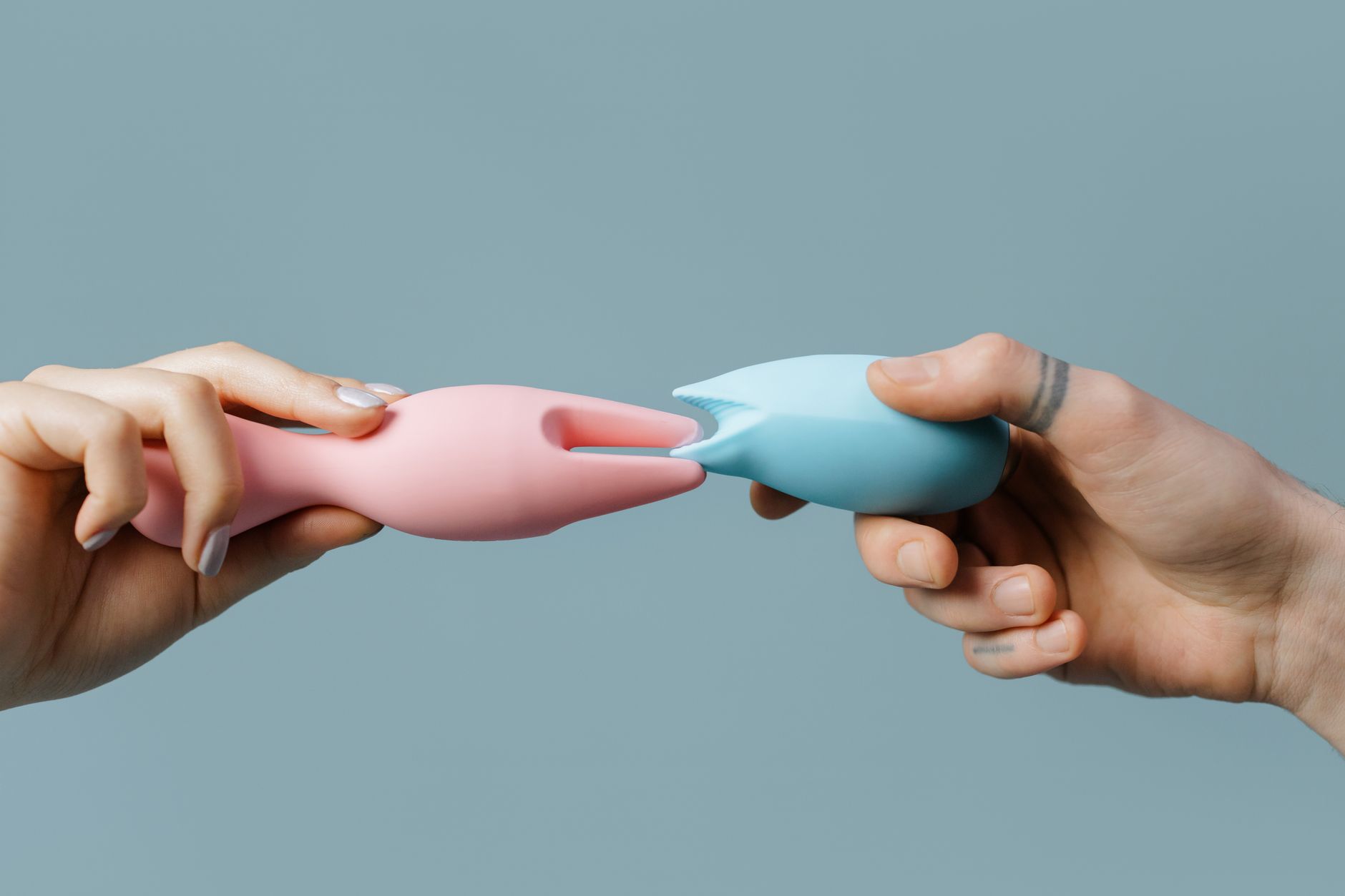
Photo by cottonbro studio on Pexels
Lubrication becomes your best friend
If you didn't use much lube before, start now. Water-based lubricant helps maintain the seal between the suction cup and your skin, which makes the sensation sharper and more consistent. It also protects thinner tissue from friction.
Generous is better than stingy. Reapply between sessions if you're going longer. Some women find that they get better results with slightly more lube and a shorter session than with less lube and pushing through discomfort.
For lemon clitoral vibrators, water-based lube is essential because silicone-based lubes can degrade silicone toys over time. Stick to water-based and you're golden.
Position and angle started mattering
At 25, you could probably use your vibrator in almost any position and get results. After 40, angle often matters more. The way you angle the suction cup relative to your clitoris changes the pressure distribution across the tissue.
Some women find that a slight forward tilt works better than straight-on pressure. Others prefer angling slightly back. There's no universal right answer, but this is worth exploring. Small angle shifts can transform a session from mediocre to really good.
If you usually use a toy lying on your back, try sitting slightly propped up, or shifting your hips. Gravity changes the experience. Your body might surprise you.
The mental piece got bigger (and that's actually good)
At 40+, distraction tanks your orgasms faster than it did at 25. This isn't because your body is less responsive. It's because your brain got busier.
The solution is simple but requires intention. Create actual space for pleasure. Not "sneaking it in between emails," but 20 minutes where your phone is face-down and you're not half-listening for your partner or your kids.
Some of my clients set a specific time. Some create a small ritual. Some use a fragrance or music they love only during this time. The ritual tells your nervous system that pleasure is coming, and it helps your body transition into receptivity.
This mental shift often creates the biggest improvement in orgasm quality I see in women over 40. Not a new toy, not a new technique. Just permission to actually be present.
When to try a lemon vibrator specifically
If you've been using a traditional vibrator and it feels too intense, or if you've been struggling with numbness or inconsistent response, clitoral suction technology is worth trying. A lemon clitoral vibrator creates a different kind of stimulation than conventional vibrators. Some women find it creates more reliable orgasms because the suction pulls blood into the tissue and creates a rhythmic pressure that feels less mechanical.
The learning curve is real but short. Most women get the hang of positioning and pattern preference within three or four sessions. By session five, they usually know if it's their thing or not.
Medication and pleasure shifts
If you started antidepressants or other medications in your 40s, your orgasm experience might have shifted independently of age. If you're on a medication affecting arousal, a lemon sucker often helps because the suction mechanism is reliable and doesn't depend on the same autonomic nervous system responses that medications can suppress.
Worth discussing with your doctor, but worth also exploring different tools to see what works now.
The pleasure-is-learning phase
Here's the thing that surprised most of my clients when they hit 40. Pleasure became less automatic and more learnable. You can't coast on novelty or pure youth response anymore. But you can actually get better at it because you know yourself better.
You know what your body needs. You know what your mind needs. You can communicate clearly about timing and preference. You understand your own rhythm.
That's not a loss. That's a skill.
Spend time with a lemon vibrator not as a fix for aging, but as a tool for learning what your particular body wants right now. What you discover might surprise you.
Common questions about lemon vibrators and aging
Do lemon vibrators work if I've lost sensation down there?
Yes. The suction mechanism of a lemon clitoral vibrator pulls fresh blood into the tissue, which can actually help restore sensation. If numbness is the issue, start with pattern 1 on low and spend time letting your tissue warm up. Sensation often returns within a few minutes as blood flow increases.
Will a lemon sucker feel weird compared to traditional vibrators?
Probably at first. The sensation is gentler and more pressure-based than vibration-based. Most women describe it as "a different kind of good" rather than "better" or "worse." Give yourself at least three or four sessions before deciding. Your brain needs time to map the new sensation.
If I'm on hormone therapy, do I still need to adjust how I use a vibrator?
Maybe. If you're on hormone replacement therapy, your tissue might be more responsive than it would be without it. You might not need as much warmup time or as much lube. But individual variation is huge. Experiment and notice what your actual body tells you, not what the theory says.
Is it normal for orgasms to take longer at 40+?
Completely normal. Average time to orgasm often increases slightly with age, especially if hormone changes are involved. This isn't failure. Longer warmup usually means deeper orgasms, which most women prefer once they stop fighting the timeline.
Can I use a lemon vibrator if I have vaginal dryness?
Absolutely. In fact, generous lube plus suction-based stimulation is often the best approach for this combination. The suction helps with blood flow to the area, and the lube protects the tissue. This is actually one of the most common reasons women over 40 switch to clitoral suction devices.
What if my partner thinks I need a vibrator because something's wrong with me?
Something's not wrong with you. Your body changed. His understanding might need to catch up. A lemon vibrator isn't a band-aid for aging. It's a tool that works with your body as it is now, not as it was at 25. If you want to have that conversation, frame it as exploration, not compensation.
The real story about pleasure and age
Your clitoris at 45 is not a broken version of your clitoris at 25. It's an evolved version. Different architecture. Different responsiveness. Different what-works.
A lemon clitoral vibrator gets that. It's built for the shift in sensitivity and tissue response that happens in your 40s. It rewards patience and curiosity over force.
That's exactly what your pleasure becomes good at after 40 anyway.
If you want to explore how a lemon vibrator might work for your body, start with the basics: low pattern, plenty of lube, and actual time. Your nervous system will tell you what it needs. Listen to it.